
10 Fall Foods for a Healthy Heart

With its seasonal fruits and vegetables filled with colors, fall is the perfect time to supply your body with healthy nutrients, especially for the heart and cardiovascular system.
According to the dietitian and nutritionist Mary Finkenor from the Dr. Dean Ornish heart health recovery Project in "Atlantic Health System," Morristown, NJ, "Plants are not only full of vitamins and minerals, but they also contain nutrients such as phytochemicals, for example, with anti-inflammatory and cholesterol-blocking properties."
We offer 10 typical fall fruits and vegetables your heart will embrace.
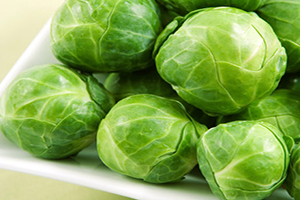 1. Brussels Sprouts - Antioxidants
Benefits for the Heart:Brussels sprouts are rich in antioxidants, and particularly isothiocyanates, which have anti-inflammatory effect. They are a good source of fibers, about 3 grams per serving; high-fiber foods may help control the blood sugar levels and weight and reduce cholesterol, thus reducing the risk for the cardiovascular system.
How to consume:Raw, sliced in a salad, steamed or roasted in the oven.
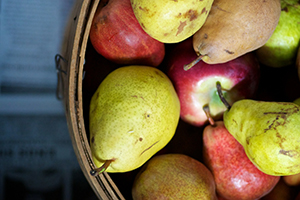 2. Pears - a Source of Fiber
Benefits for the Heart:Pears are particularly known for their large fiber content, 4-6 grams approx. per medium-sized fruit. Various studies show that people consuming more fruits and vegetables have generally lower heart disease rates and even lower mortality rates from particular diseases such as heart attacks and strokes.
This is due to the favorable effect of the fibers on the blood pressure and cholesterol levels. Both pears and apples have been found to demonstrate the best effects in that regard.
How to consume:To preserve all fiber to the best extent possible, you should consume pears raw; however, in certain cases you can steam or roast them. However, pears must be ripe, by all means. They are ready to consume or be stored in a refrigerator, if your finger sinks when slightly pressing the fruit. Otherwise, leave them at room temperature to ripen fully.
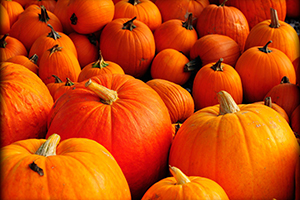 3. Pumpkins - a Source of Antioxidants
Benefits for the heart:A bright orange pumpkin means that it is high in antioxidants called carotenoids, including beta-carotene, alpha-carotene, lutein and zeaxanthin - each of them conducive for reducing body inflammations. Another unique pumpkin feature is that it contains molecules called cucurbitacins, famous for their powerful anti-inflammatory properties. If you think fish is the only way to supply anti-inflammatory omega-3 acid, think twice. Pumpkins have been found to contain 190 milligrams of omega-3 per 250 g portion approx. to make it an excellent vegetable source of the so favorable for heart fatty acid.
How to consume:Roasted, steamed or stewed and strained as soup.
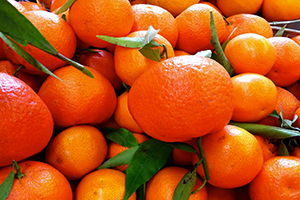 4. Tangerines - High In Potassium
Benefits for the Heart:Apart from being a good source of vitamin C, one or two tangerines a day add to our daily dose of 262 mg of the so good for the heart potassium that may help regulate blood pressure. The recommended daily amount of potassium is 4700 mg. Other potassium-rich foods are bananas, apricots and melons.
How to consume:raw and peeled or as freshly squeezed juices.
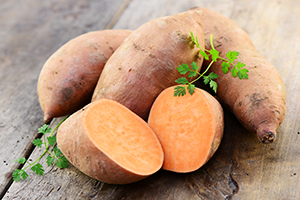 5. Sweet potato - beta-carotene
Benefits for the Heart:Just like pumpkins, sweet potatoes are high in beta-carotene and thus may supply us with antioxidants that are crucial for the heart, as well as with a good amount of potassium. Sweet potatoes contain also sporamins - powerful antioxidants unique for those vegetables, and fiber - nearly 4 grams per one middle-sized sweet potato with skin on. You can safely consume sweet potatoes, even if you have type 2 diabetes because they do not raise blood sugar levels.
How to consume:Roast or steam and sprinkle with maple syrup - a natural sweetener, known to contain antioxidant acting compounds.
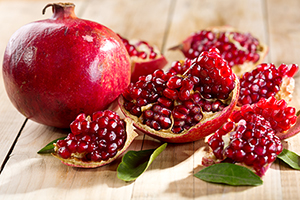 6. Pomegranates - High In Potassium
Benefits for the heart:Although they are considered to be sort of panacea for everything, we may safely consider pomegranates good for the heart because they contain the so-called compounds ellagitannins. They can block cholesterol absorption in the arteries. Pomegranates are also а good source of potassium and may help to lower blood pressure.
How to consume:Drinking pomegranate juice is a good way, but the direct fruit grains consumption is a better way to supply more fiber. Add them to a salad or main dish. Slice the upper and lower fruit part and the rest break down to quarters to extract the grains. Soak them in water until the seeds separate from the membrane, then strain and dry them.
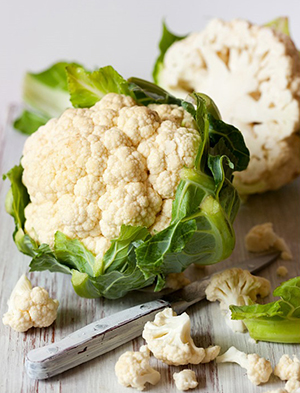 7. Cauliflower - Vitamin C
Benefits for the Heart:If you avoid white foods, do not let cauliflower fool you with its color. Just like brussels sprouts, those vegetables are high in isothiocyanate antioxidant which is associated with decreasing inflammation. Moreover, cauliflower is an excellent source of vitamin C - about 55 mg per serving of 250 g cooked vegetable.
How to consume:Roast the cauliflower or prepare it to soup after having boiled and strained it.
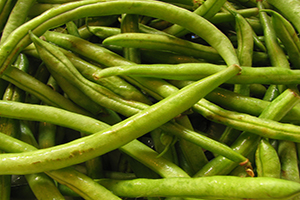
8. Green beans - carotenoids
Benefits for the heart:Similarly to pumpkins and sweet potatoes, green beans are high in carotenoids, however, chlorophyll overshadows the orange color. Green beans are also a good source of fiber - 3 grams per serving of about 250 g. Moreover, they contain B group vitamins, such as vitamin B6, which improves heart health. Green beans are also very high in antioxidants.
How to consume:Do not be tempted to make a soup out of them. Instead, steam them and experiment with various spices, e.g. curry or Ethiopian Berbere.
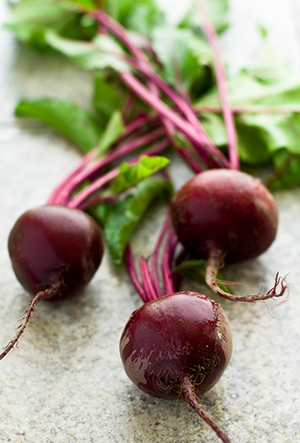 9. Beets - A Way to Supply Nitrates
Benefits for the Heart:The beautiful purple-pink beet flowers indicate that they are high in flavonoids which act as antioxidants and give bright color to the plant. Two of those antioxidants, namely betanin and vulgaxanthin, are known for their particularly powerful anti-inflammatory properties. Beetroot is also a natural source of nitrates that get converted into nitrites by the body, to keep arteries healthy. Beet juice is found to reduce blood pressure and improve cardiovascular strength, however, you need to drink a fair amount to feel its benefits. Do not worry if your urine turns pink or stool red after you eat beets. This is called beeturia and affects approximately 10-14 percent of the population after eating beets.
How to consume:Roasted as side dish, grated in salads or steamed and seasoned with fresh herbs and a little salt.
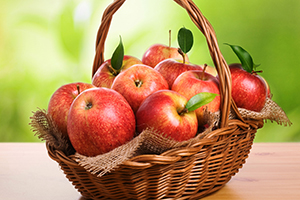 10. Apples - The Best Source of Pectin
Benefits for the heart:"An apple a day indeed keeps the cardiologist away," said Dr. Fenster, referring to the high levels of heart-healthy compounds such as pectin (a type of fiber) and quercetin (an antioxidant). Apple juice may help improve and regulate blood sugar, and if you eat the whole fruit, pectin can improve your blood lipid profile. An apple consumed prior to the meal is found by a number of researchers to help you reduce the overall amount of food you consume.
How to consume:The best way is to eat fruits whole or make juice out of it. But they could be consumed cooked, steamed or roasted in the oven as well.
Source: http://ornishspectrum.com/zine/everyday-health-10-best-heart-healthy-fall-foods/
All rights reserved. Terms and conditions.
 +359 890 90 59 90
 info@vitarama.eu


